How to Interpret Anion Gap in Lactic Acidosis
What Is the Anion Gap?
The anion gap is a calculated value used in acid base regulation to help detect hidden acids in the blood. It is derived from the serum electrolytes, especially sodium, chloride, and bicarbonate, and it serves as a useful laboratory interpretation tool during a biochemical evaluation.
In its standard form, the anion gap reflects the difference between measured cations and measured anions. Because some charged particles are not directly reported on a standard electrolyte panel, the gap helps clinicians recognize the presence of unmeasured anions. That makes it a valuable diagnostic clue when evaluating an acidotic state.
Although the formula may vary slightly by institution, the core idea stays the same: if serum sodium is much higher than the combined measured anions, an accumulation of acids may be present. This is why the anion gap is central to identifying metabolic acidosis, especially high anion gap metabolic acidosis.
For example, when a patient has low serum bicarbonate with an elevated gap, the pattern suggests that acid has been introduced to the system rather than simply lost through the gut or kidneys. In clinical assessment, that distinction matters because it focuses the differential diagnosis and guides treatment.
How Lactic Acidosis Elevates the Anion Gap
Lactic acidosis raises the anion gap because lactate is an unmeasured anion. When lactate accumulates, it leads to metabolic acidosis by consuming bicarbonate and expanding the pool of negatively charged substances that are not included in a routine electrolyte panel.
This happens most often when oxygen delivery or utilization is impaired. Hypoperfusion and hypoxia push cells toward anaerobic metabolism, producing more lactate. In critical illness, this process can suggest tissue stress, reduced clearance, or both.
From a practical standpoint, the elevated gap is not the cause of the acidosis; it is the sign that something like lactate, ketoacids, or toxins is accumulating. That is why a high gap is considered a severity marker rather than a diagnosis by itself. The biochemical evaluation should always be paired with the clinical picture.
In sepsis, for example, the anion gap may rise because of poor perfusion, inflammatory metabolic derangement, and rising serum lactate. But the same pattern can appear in many other conditions, so the gap should be interpreted as part of broader clinical assessment rather than used in isolation.
How to Operate an Anion Gap Calculator
An Anion Gap Calculator is a practical utility that automates the calculation with the main lab values from the electrolyte panel. To use it correctly, enter the available measurements for serum sodium, serum chloride, serum bicarbonate, and, when the calculator allows, potassium and serum albumin.
A common formula is:
Anion gap = sodium − (chloride + bicarbonate)
Some calculators include potassium, while others omit it. Both methods can be valid if you know which reference range the tool uses. What matters most is alignment with the method used by your institution or practice setting.
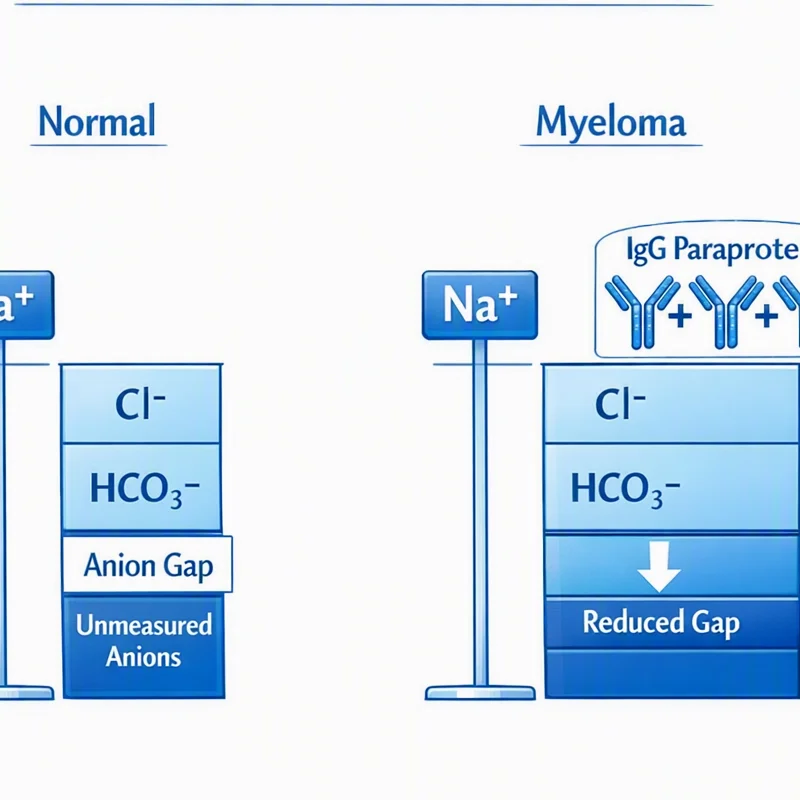
Albumin is especially important because low albumin can mask a real gap elevation. Since serum albumin is a major unmeasured anion, low levels can falsely lower the calculated result. A calculator that includes albumin correction can reveal the more accurate corrected anion gap.
When using the tool, think in steps:
- Confirm the electrolyte panel is complete and current.
- Review serum sodium, serum chloride, and serum bicarbonate.
- Include potassium if the calculator requires it.
- Review serum albumin and apply albumin correction if needed.
- Assess the result with the appropriate reference range.
This method makes the anion gap calculator more than a math shortcut. It becomes part of a organized clinical interpretation workflow that facilitates rapid decision-making in metabolic acidosis.
Standard, Increased, and Modified Anion Gap Values
The reference range for anion gap depends on the lab method and whether potassium is included. This means the same number may be normal in one setting and somewhat increased in another. Always interpret the value using the local reference range.
A high anion gap generally suggests build-up of acids or other unmeasured anions. In practice, this is the pattern that points clinicians toward anion-gap metabolic acidosis. But the raw number alone is not enough; it must be interpreted alongside serum bicarbonate, pH if available, and the patient’s overall condition.
Albumin correction is essential when serum albumin is low. Because albumin contributes to the measured baseline gap, hypoalbuminemia can make the anion gap appear falsely normal. The adjusted anion gap helps avoid missing clinically important acid buildup.
For example, a patient with an apparently normal anion gap and low albumin may actually have a significantly abnormal corrected value. In that case, the apparent within-range gap is misleading, and the biochemical evaluation should continue.
Key points to interpret:
- An increasing gap is more concerning than one isolated value.
- A low albumin level can mask an actual elevation.
- The reference range must be viewed in the context of the lab method.
- If albumin is abnormal, rely on the corrected anion gap.
Common Causes of High Anion Gap Acidosis
The major causes of high anion gap metabolic acidosis are seen in acute and severe illness settings. The leading causes are sepsis, renal failure, ketoacidosis, and toxic alcohol ingestion.
Sepsis can elevate lactate through impaired perfusion and cell stress. Renal failure leads to acid retention that are normally cleared, raising the burden of unmeasured anions. Ketoacidosis, including DKA and fasting ketosis, adds ketone bodies that expand the gap. Toxic alcohol ingestion may lead to a high gap through harmful metabolites.
This matters because not every high gap is explained by lactate. The differential diagnosis must remain broad, especially when the clinical assessment does not fit isolated lactic acidosis. A patient with severe vomiting, altered mental status, or unexplained electrolyte abnormalities may have more than one process occurring at once.
In practice, the anion gap is a starting point. It reveals a metabolic derangement, but the next step is to determine whether the source is lactate, ketones, kidney dysfunction, toxins, or a mixed process.
How to Interpret Lactate In Relation to the Anion Gap
Reviewing the lactate level with the anion gap improves clinical interpretation. A high gap with elevated lactate supports lactic acidosis, but the relationship is not always exact. Lactate may rise before the gap becomes obviously abnormal, and the size of the gap may not match the lactate level perfectly.
This is why perfusion and hypoxia must be considered. Lactate is a reflection of tissue oxygen delivery, mitochondrial stress, and clearance. In some patients, lactate is a dynamic marker of change in illness severity rather than a single static result.
Clinically, a rising serum lactate in the setting of acid-base abnormalities may signal worsening tissue hypoxia or poor perfusion. But interpretation should include blood pressure, oxygenation, renal function, and the patient’s overall trajectory. The anion gap becomes a useful severity marker when viewed as part of the full clinical assessment.
A practical way to think about it:
- High lactate plus increased anion gap: strongly points to lactic acidosis.
- Raised lactate plus normal gap: still possible, especially early or with masking factors.
- Normal lactate plus high gap: look for other acids or a mixed disorder.
This type of stepwise reasoning is what makes the anion gap calculator useful in real-world laboratory interpretation.
When a Normal Anion Gap Does Not Rule Out Lactic Acidosis
A normal anion gap fails to fully exclude lactic acidosis. This is most evident in early lactic acidosis, where lactate has begun to rise but still not enough to shift the gap beyond the reference range. The same is true when competing processes create a mixed acid-base disorder.
For example, a patient may have lactic acidosis along with a metabolic alkalosis from vomiting, or a hyperchloremic process that offsets the widened gap. In these situations, the measured values can look deceptively unremarkable even though the patient remains in an acidemic state.
The delta gap can help identify these situations. By comparing the change in the anion gap to the change in serum bicarbonate, clinicians can look for evidence of additional acid-base processes. A discordant delta gap can point toward a mixed acid-base disorder rather than a simple isolated lactic acidosis.
Albumin also matters here. Low serum albumin can make the gap appear normal even when organic acids are accumulating. That is why albumin correction is crucial before concluding that lactic acidosis is absent.
Bottom line: a normal value does not always mean a normal process. If the clinical picture suggests hypoperfusion, hypoxia, or severe illness, lactic acidosis can still be present and the diagnostic workup should continue.
Key Questions Doctors Frequently Raise
When using an anion gap calculator in practice, clinicians often ask the same core concerns about detection, follow-up, and treatment response. These concerns matter because the gap is most useful when it supports decision-making across time, not just at a single moment.
For diagnosis, the anion gap helps determine whether metabolic acidosis is attributable to unmeasured acids. For follow-up, serial measurements can show whether the underlying cause is getting better. For therapeutic monitoring, a falling gap may suggest that lactate is declining or that another driver of acidosis is resolving. For acid-base balance, the gap helps distinguish high anion gap metabolic acidosis from other patterns such as non-gap acidosis or mixed acid-base states.
A few practical questions include:
- Is the gap truly abnormal for this lab’s reference range?
- Should a low albumin level be corrected?
- Are lactate trends matching the patient’s perfusion status?
- Could the result be explained by renal failure, ketoacidosis, or toxic alcohol ingestion? the result?
- Is there evidence of a mixed acid-base disorder that affects the interpretation?
This set of questions highlight why the anion gap should be used as part of ongoing clinical assessment rather than as a single isolated value. It is a diagnostic indicator, a marker of severity, and a way to follow metabolic derangement over time.
Frequently Asked Questions
What is the significance of a high anion gap in lactic acidosis?
A high anion gap means there are more unmeasured anions in the blood, and in lactic acidosis that often reflects rising lactate. It supports the diagnosis of high anion gap metabolic acidosis, especially when serum bicarbonate is low and the clinical picture suggests hypoperfusion, hypoxia, or critical illness.
Is lactic acidosis possible with a normal anion gap?
Yes. Early lactic acidosis, low albumin, or a mixed acid-base disorder can produce a normal anion gap even when lactate is elevated. That is why the anion gap should be interpreted together with serum lactate, serum bicarbonate, and the broader clinical evaluation.
How do you correct the anion gap for reduced albumin?
Adjusting for albumin increases the calculated gap higher when serum albumin is low, because albumin is a key unmeasured anion. The exact formula can https://anion-gap-guide862.zenbloomer.com/posts/anion-gap-calculator-for-emergency-care vary by institution, but the goal is the same: not overlook a true elevated corrected anion gap when hypoalbuminemia is present.
Is lactate always elevated when the anion gap is high?
No. A high anion gap can be caused by lactic acidosis, but also by ketoacidosis, renal failure, and toxic alcohol ingestion. In addition, lactate may not rise enough to fully explain the gap in every case, so serum lactate should be checked as part of the differential diagnosis.
What other conditions can cause a high anion gap besides lactic acidosis?
Frequent causes include sepsis, renal failure, ketoacidosis, and toxic alcohol ingestion. These conditions add to unmeasured anions or limit acid clearance, leading to high anion gap metabolic acidosis. Clinicians should consider the full biochemical evaluation before assuming lactate is the only cause.